
Liam Reed's Burdened Healer Identity
Roommate Wars & Midnight Kisses (My College Romance)This flow traces Liam Reed's evolution from a crisis-driven EMT who equates usefulness with worth into a future physician learning to remain present in ordinary human relationships.
increasing Bearing strength in each event
 decreasing
Bearing strength in each eventdecreasingThe Competent Stranger

Armor in a Small Room
Professional Composure
Liam Reed is introduced as a tattooed pre-med student and EMT who responds to the housing disaster with irritation, documentation, and practical negotiation. He appears controlled because control is the language he trusts. His EMT gear, clinical schedule, and disciplined routines establish a man who has organized his identity around preparedness.
Private Exhaustion
The composure quickly proves incomplete. After a fatal call, Liam speaks on the phone about a patient who coded twice and could not be saved, revealing that his professional competence does not protect him from grief. He can function in emergencies, but he has no reliable way to metabolize what those emergencies leave behind.
Significance
Liam’s initial destiny is defined by usefulness without rest. He knows how to stabilize strangers, yet he has not learned how to let another person witness his instability. The Apartment 3B arrangement places that contradiction in daily proximity to someone who will eventually refuse to accept his silence as strength.
The Rescue Origin Story

Becoming the Person Who Arrives
The Father’s Heart Attack
In the Study-Session Trauma Disclosure, Liam recounts finding his father collapsed in a basement when he was sixteen. His inability to perform compressions perfectly before the EMTs arrived becomes a permanent memory of helplessness, even though his father survives.
A Vow of Competence
Liam responds by becoming the person he once needed: calm, trained, decisive, and willing to enter scenes others avoid. EMT work is therefore both vocation and compensation. Each successful intervention promises temporary relief from the old belief that ignorance or hesitation can cause irreversible loss.
Significance
The story reframes Liam’s heroism as a survival strategy rather than simple selflessness. His commitment is admirable, but it also traps him inside an impossible standard. If he must always be the one who knows what to do, then ordinary vulnerability begins to feel like moral failure.
The Fatal Shift Collapse
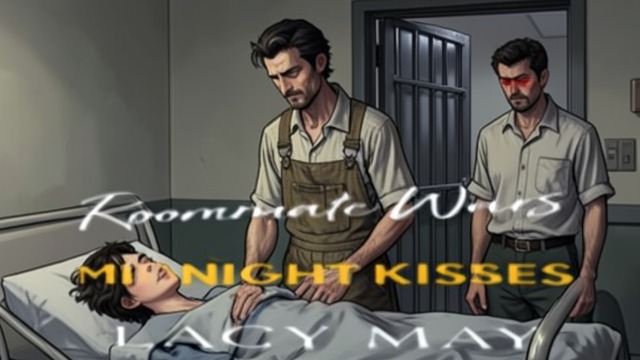
When Competence Cannot Prevent Loss
Escalating Demands
Liam accepts an extra EMT shift during the game weekend despite exhaustion because the service is understaffed and he believes refusing would endanger unseen patients. The decision repeats his familiar pattern: he treats institutional need as an unquestionable personal obligation.
The Unsuccessful Resuscitation
The Game-Weekend Fatal Ambulance Call leaves him carrying a child’s death, a grieving father’s guilt, and multiple further emergencies. When he returns to Apartment 3B, he rejects Leah’s attempt to sit beside him, insisting that the job requires him to hold everything alone.
Significance
The shift breaks the illusion that endurance is sustainable. Liam’s crisis is not merely sadness after a difficult call; it is the collapse of the identity that lets him serve others without acknowledging personal cost. His refusal of comfort also makes visible the collateral damage of his coping style.
Confronting Avoidant Heroism

The Cost of Hiding Behind Work
Emotional Withdrawal
After the fatal shift, Liam becomes physically present but emotionally absent. He gives Leah short answers, cancels plans for additional work, and treats her requests for connection as demands he cannot meet. His avoidance is framed as protection, but it leaves Leah alone inside the relationship.
Accountability Through Conflict
Leah’s accusation that he wants the intimacy without the responsibility forces Liam to see the distinction between being a good EMT and being a dependable partner. He realizes that he has been using work as a shield, preserving the intensity of physical closeness while refusing the ordinary accountability that makes intimacy safe.
Significance
Liam’s character fate turns when he stops treating his professional sacrifice as an exemption from relational responsibility. The conflict does not condemn emergency work; it exposes the way he has used noble work to avoid fear, grief, and the possibility of needing someone.
Choosing Recovery and Partnership

A Different Kind of Strength
Permission to Receive Help
Liam attends the EMT and first-responder mental-health panel after seeing the flyer Leah posted. The testimonies of responders who mistook isolation for protection give him a possible future image of himself: burned out, emotionally absent, and surrounded by losses he never processed.
The First Deliberate No
He later attends Liam's First First-Responder Support Group and turns down an optional shift. These actions matter because they are not performed to win Leah back. They represent the first time Liam chooses recovery and reflection over automatic availability.
A New Professional Self
In the formal reconciliation conversation, Liam promises to pursue partnership through ordinary reliability rather than grand rescue. He still wants to become a doctor, but he no longer treats medical ambition as his only legitimate identity. His future now includes therapy, support, rest, and the ability to show up when nobody is bleeding.
Significance
Liam’s resolution is not a miraculous cure. It is a change in direction. He remains ambitious and vulnerable to overwork, but he begins walking toward a life where saving others does not require abandoning himself or the people who love him.
Liam’s first appearance in Apartment 3B
during the library study session in the early semester
during the game-weekend emergency shift
during the relationship rupture and living-alone-together period
from the first-responder panel to the formal reconciliation
